
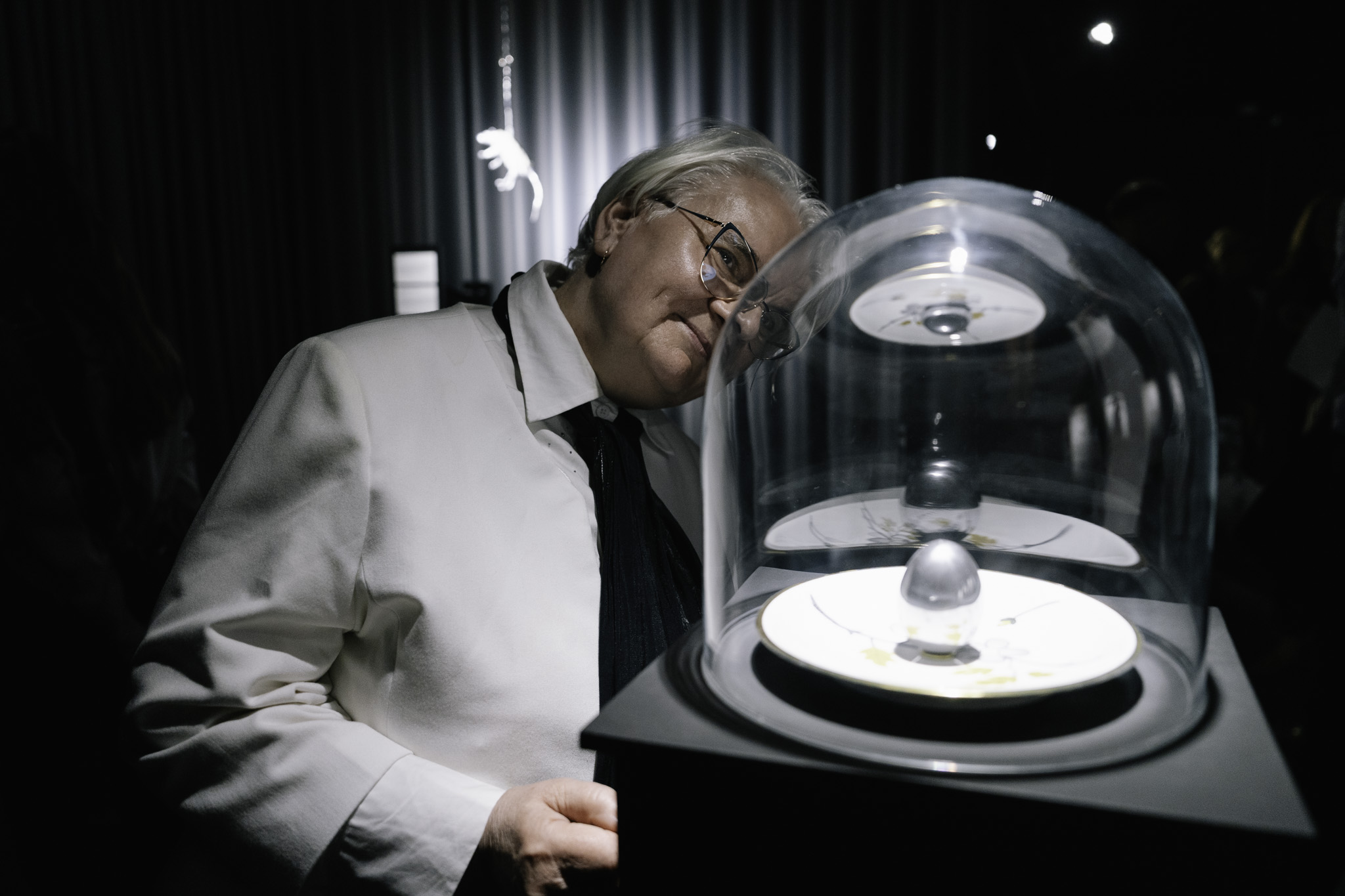
On 2 June 2026, Art of Remembrance opened its doors at the Sybir Memorial Museum in Białystok, Poland, becoming the first international exhibition in the museum’s history.
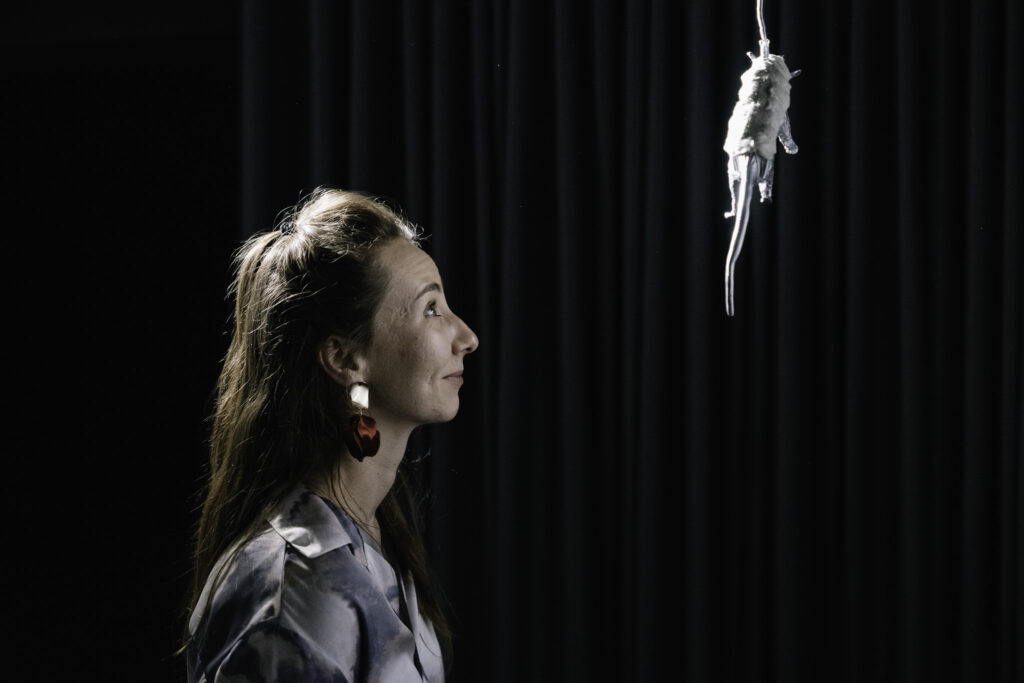
Having already been on display in the Netherlands at the House of Nijmegen History in March and at Turin’s Polo del Novecento throughout April and May, the exhibition continues its European tour, bringing together four contemporary artists and four distinct perspectives on the human experience of World War II. Artists Juhana Moisander (Finland), Rebekka Bauer (Germany), Raphaël Dallaporta (France), and Gail Ritchie (Northern Ireland) each explore how memory, loss, and history can be expressed through the language of contemporary art.
Prof. Wojciech Śleszyński, Director of the Sybir Memorial Museum, noted that this is not the first time the museum has brought contemporary art into dialogue with the history of World War II. “We’ve already made similar attempts, involving Siberian exiles in collaboration with artists. Today, however, we’re taking a step forward by inviting guests from abroad to collaborate. Art of Remembrance is the first international exhibition we’re opening at the Sybir Memorial Museum,” he emphasised.
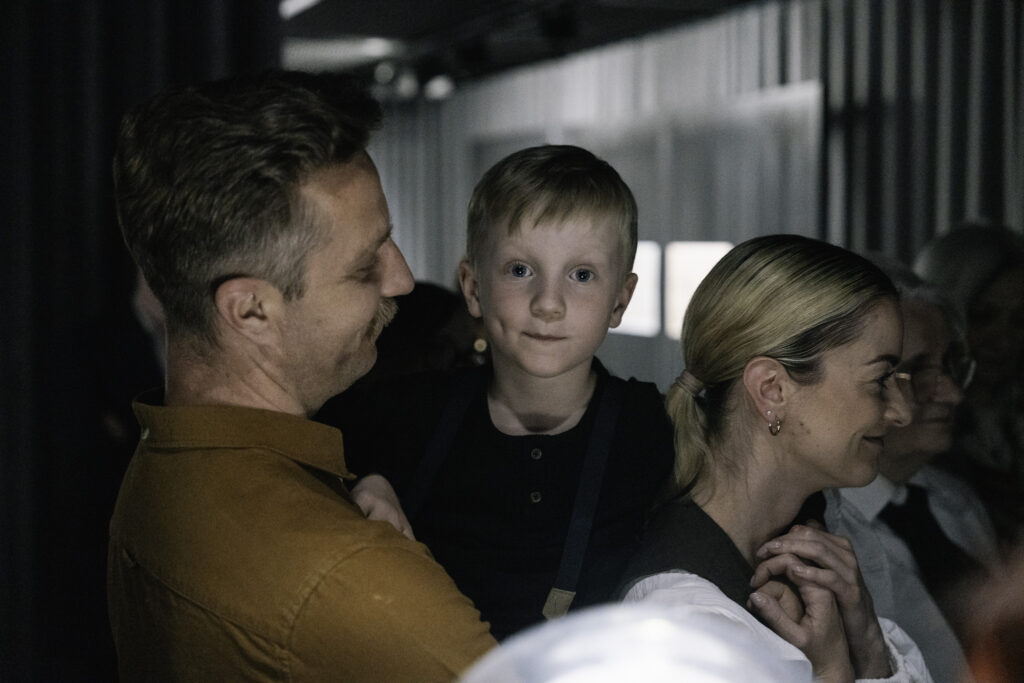
The opening event was attended by representatives of the Białystok City Council, local cultural institutions, and meaningfully by members of the Siberian exile community, whose history is at the heart of the museum’s mission.
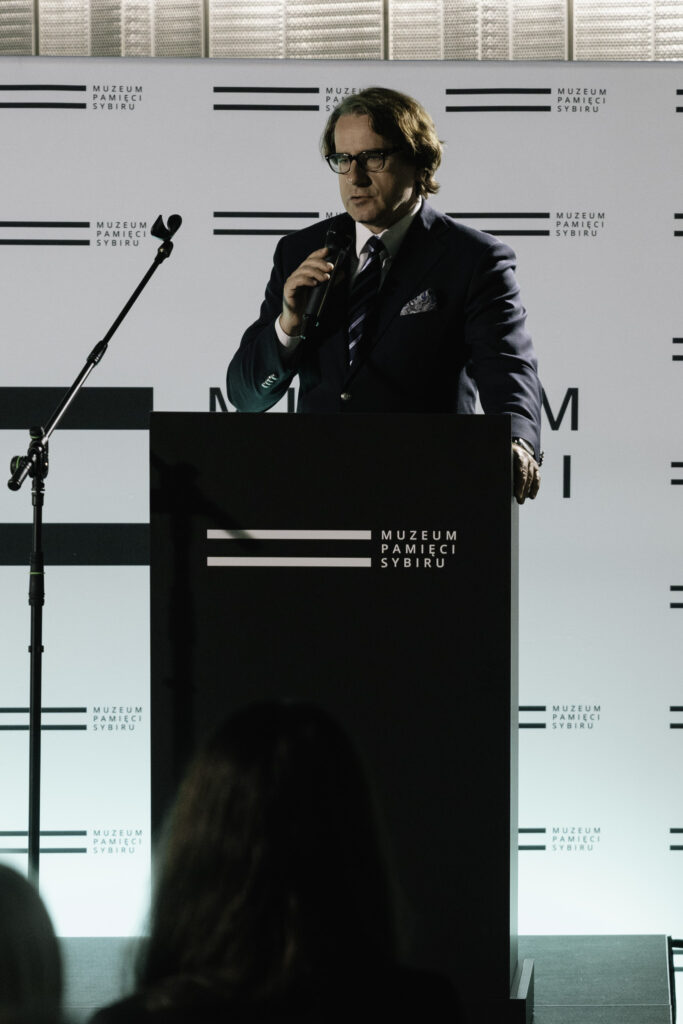

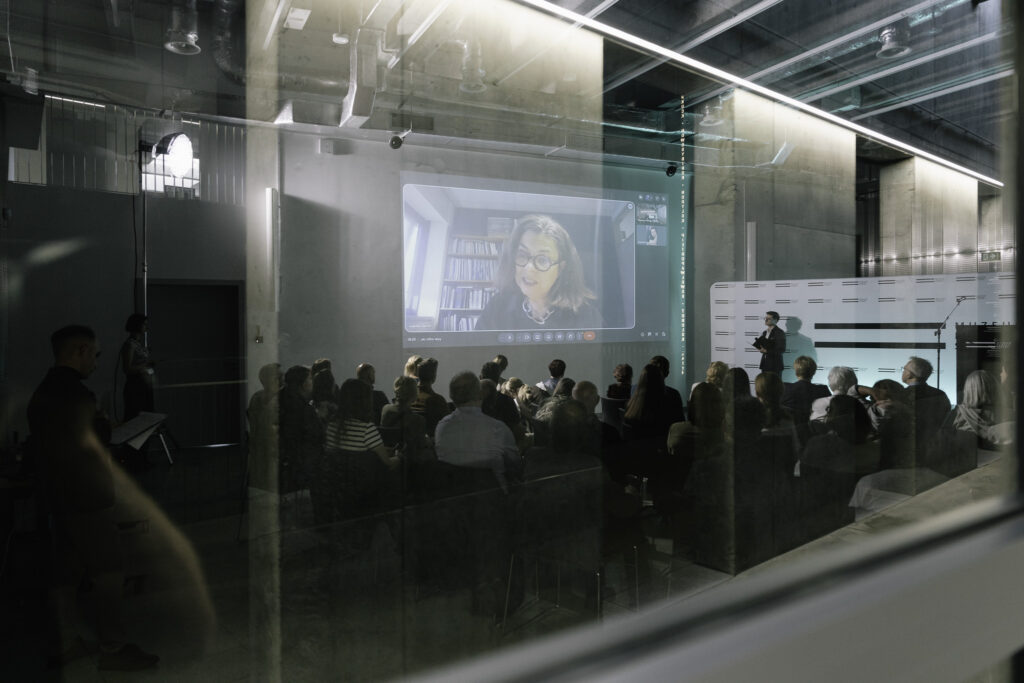
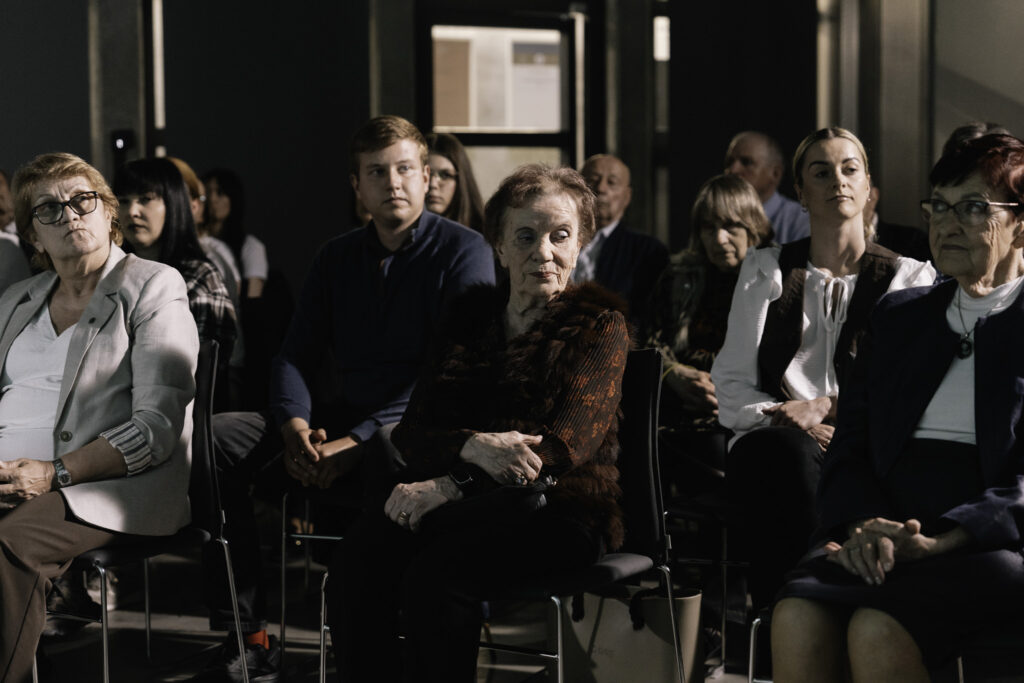
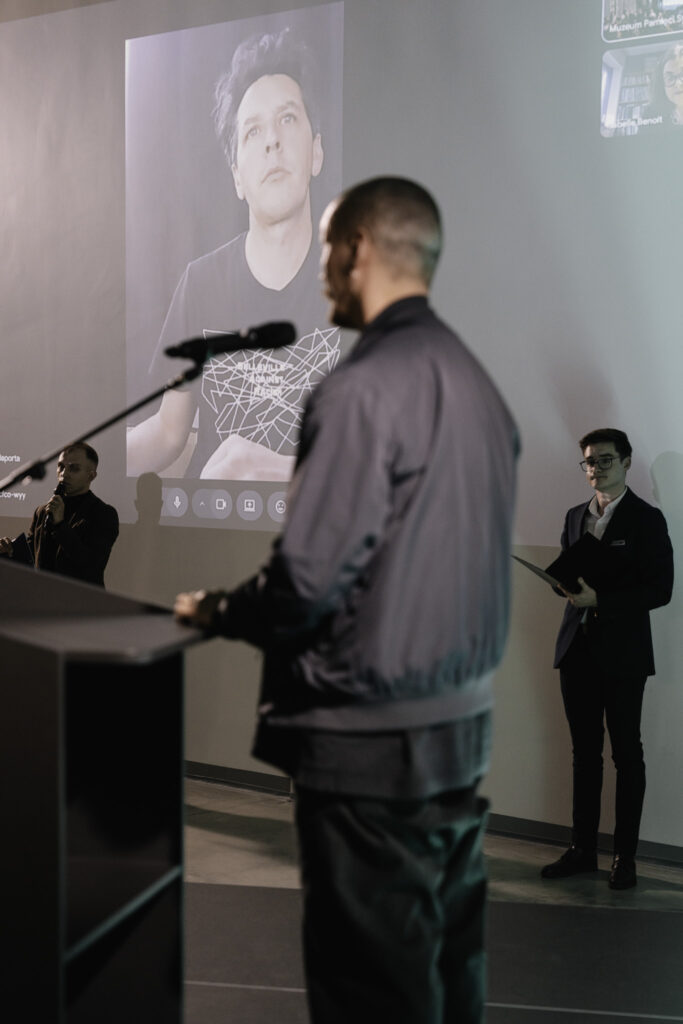
At the vernissage, curator Isabelle Benoit told guests about the idea behind the project and expressed pride that, following the previous stops in the Netherlands and Italy, she was able to present the exhibition in Poland.
Joanna Roman of the LRE Foundation added: “Great thanks to the artists who created their works and showed us that historical memory can go beyond traditional forms and motivate us to look at this subject from a new perspective.”
The connection between the exhibition and its Białystok venue proved particularly resonant. Jolanta Hryniewicka, representing the Siberian exile community, shared her response: “The Siberian exiles are very grateful to all those who contributed to the creation of this exhibition. What matters most is memory, and memory must be cherished.”
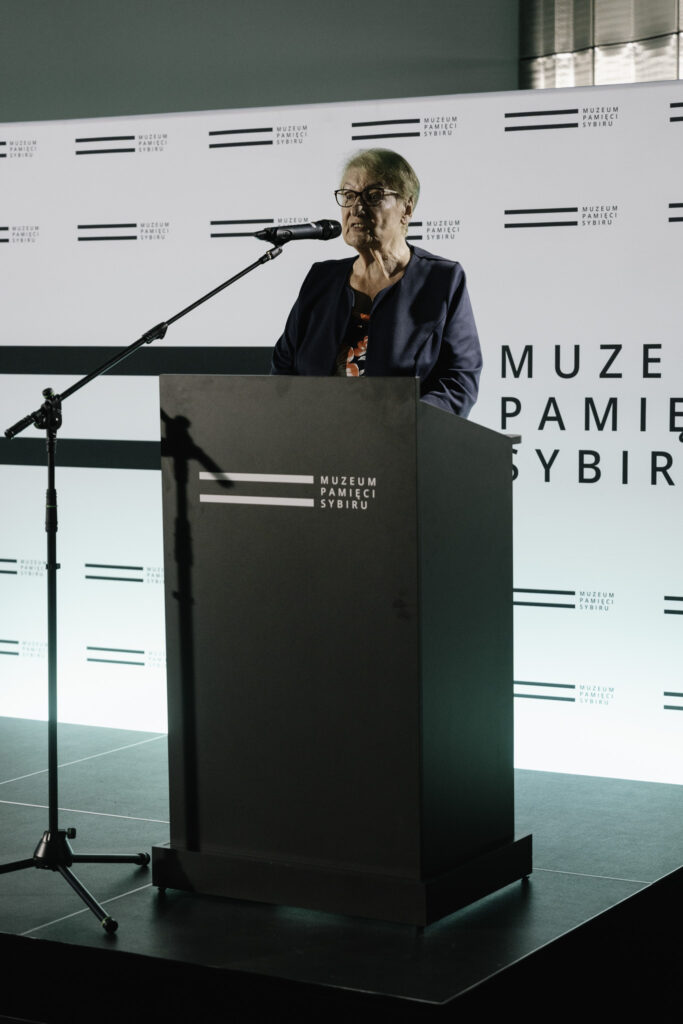
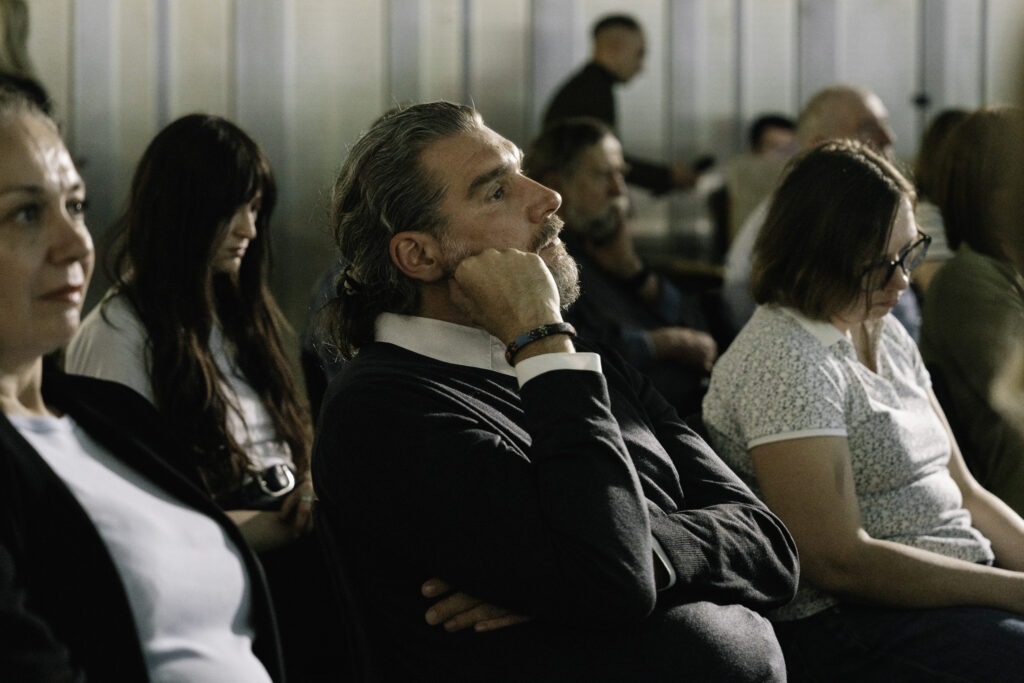
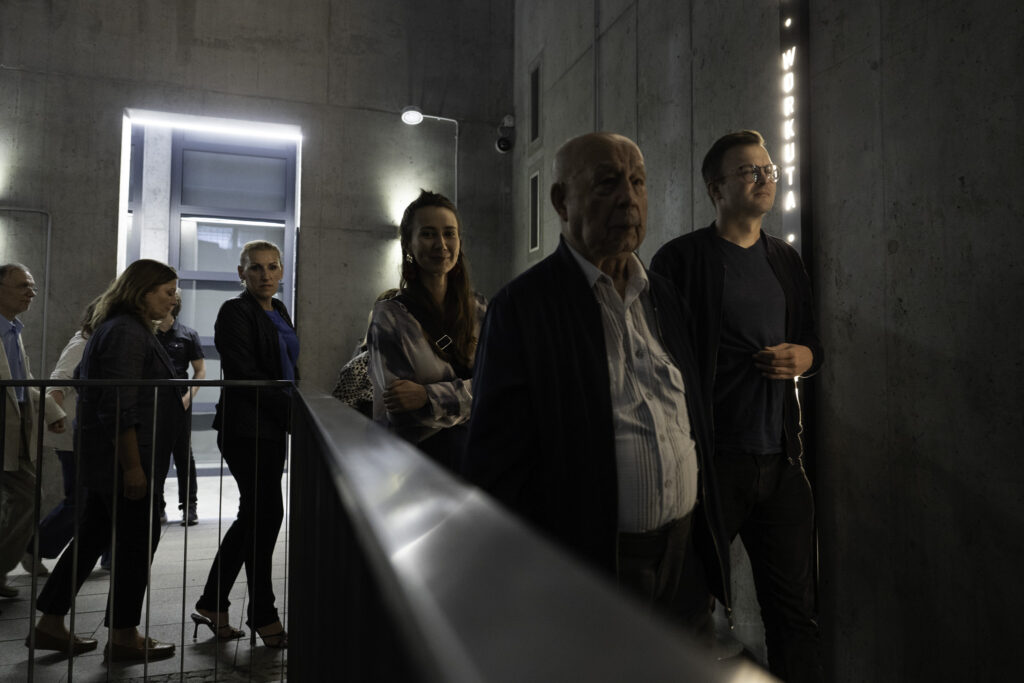
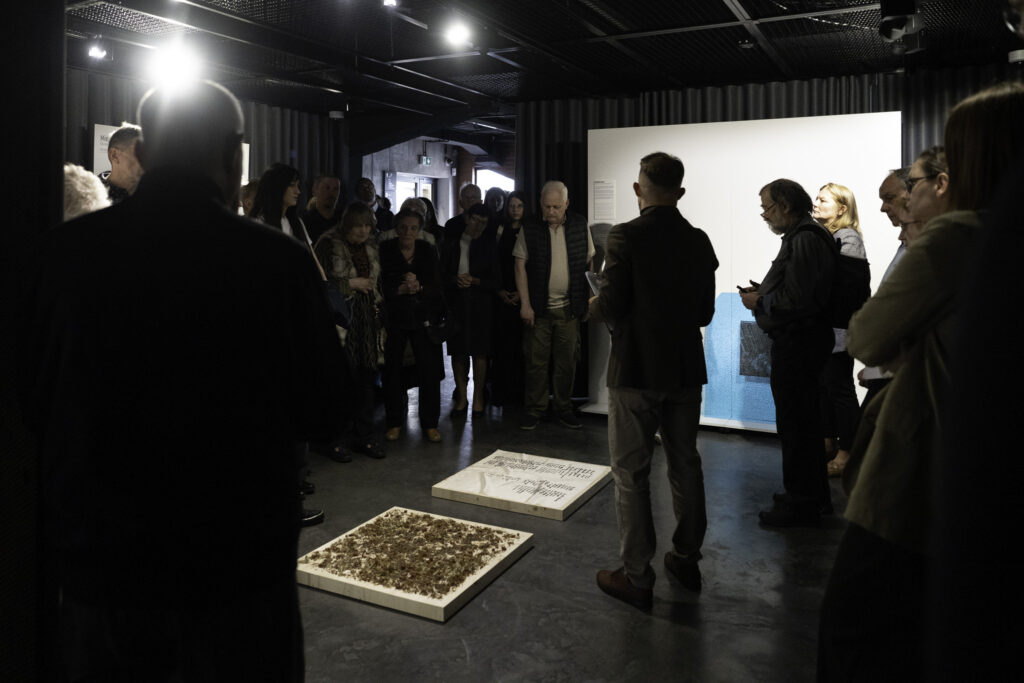
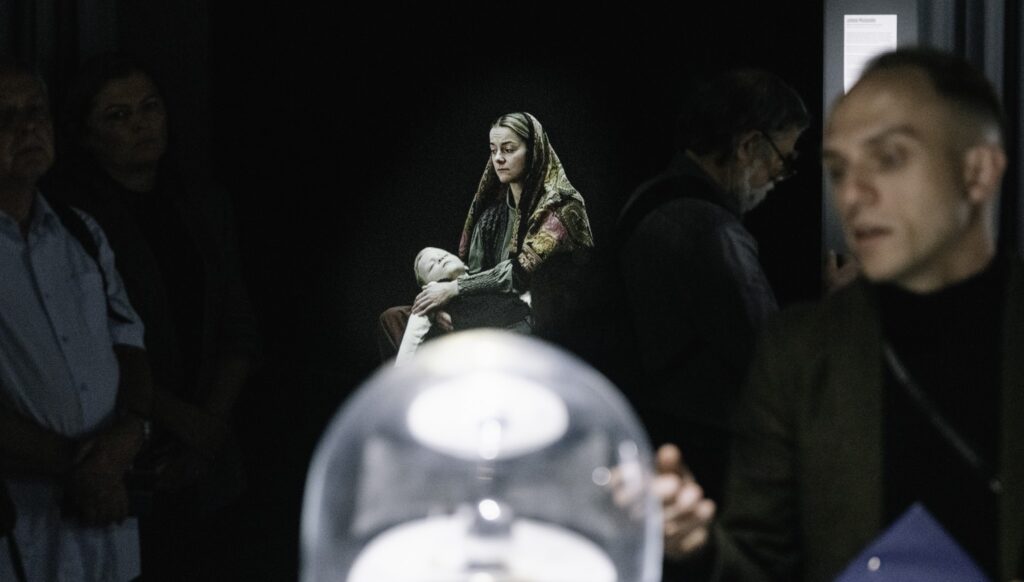
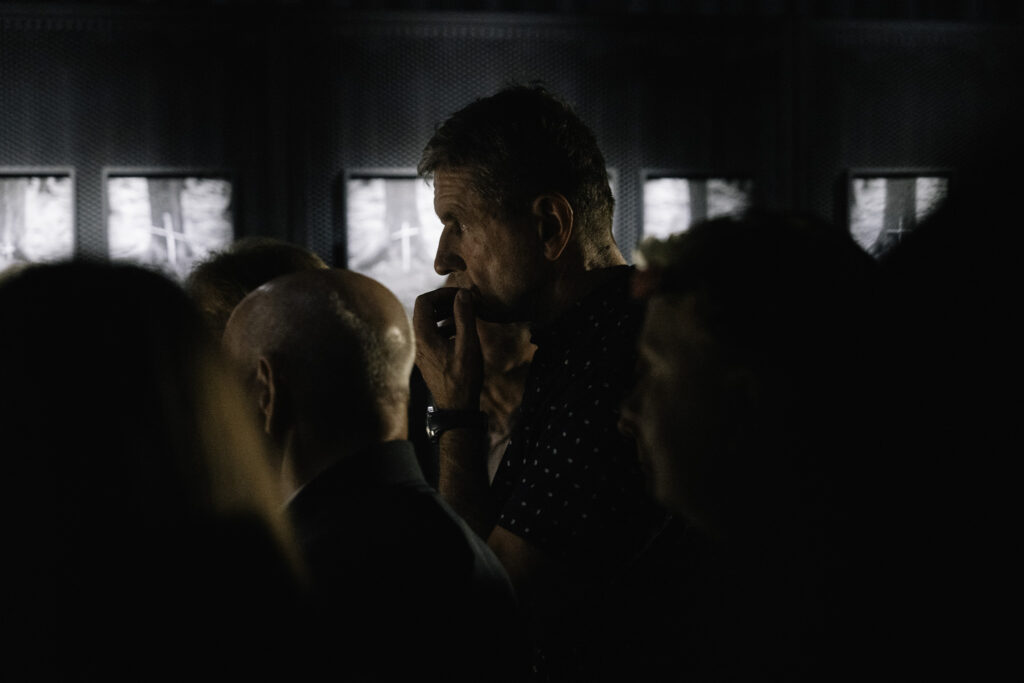
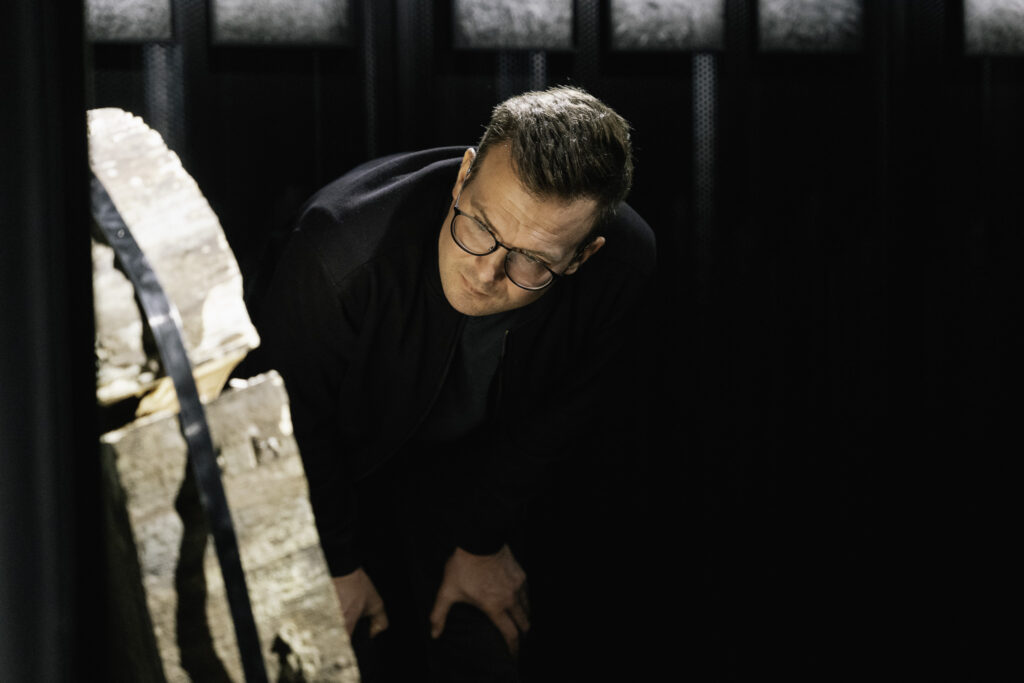
Event attendees also had the opportunity to take part in the first curator-led tour. Dr Piotr Popławski, Head of the Department of Educational and Cultural Projects at the Sybir Memorial Museum, outlined the historical context and spoke about the artists’ inspirations and their journeys in creating their works. Juhana Moisander spoke about what moved and inspired him to create the piece entitled Matka (Mother in Polish). The work, developed during Moisander’s art residency in Białystok, directly references the history of the Siberian exiles. The silhouette of a mother and child inside a train wagon is a moving audiovisual installation that engages multiple senses.
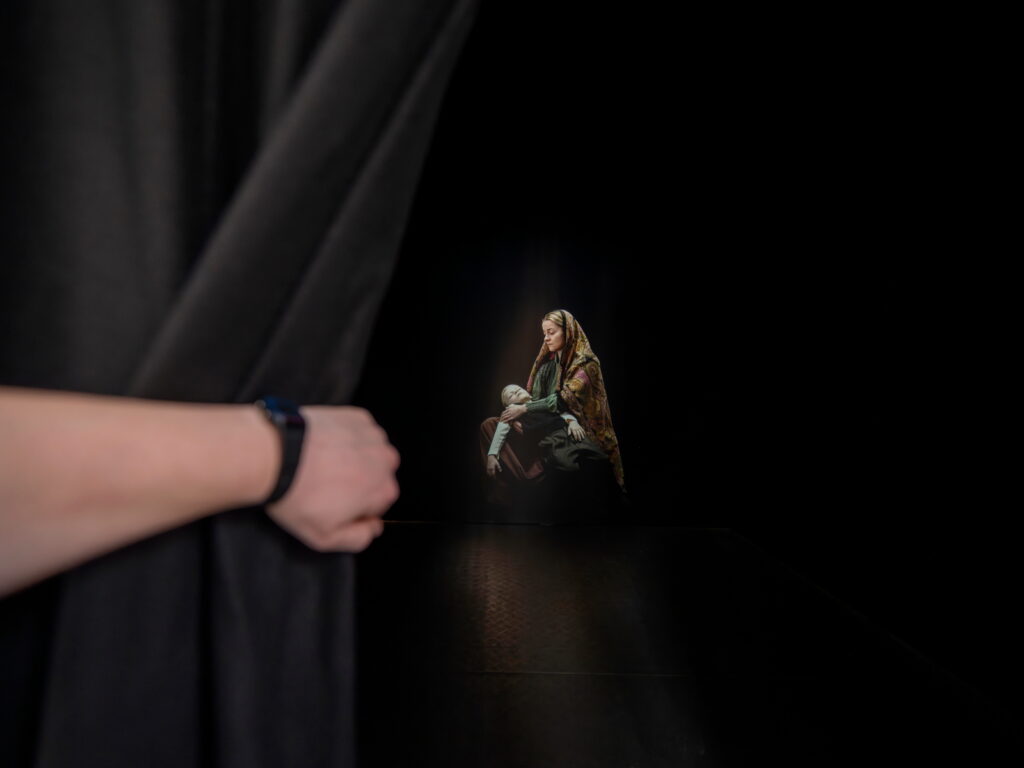
Moisander described his approach: “My works have no beginning or end. They are a loop, in which I try to place as much content and emotion as possible. I searched for a long time for the right melody, until I came across this lullaby from the 1920s — Iskierka. Its melody is full of sadness and melancholy and fits the scene well.”
The exhibition can be visited free of charge at the museum until 30 June 2026.
Art of Remembrance will next open at the Bastogne War Museum in July, followed by La Coupole in France later in the summer.
Art of Remembrance is co-funded by the European Union as part of the Creative Europe programme. For more information, visit www.art-of-remembrance.eu.
Photos by: Sybir Memorial Museum