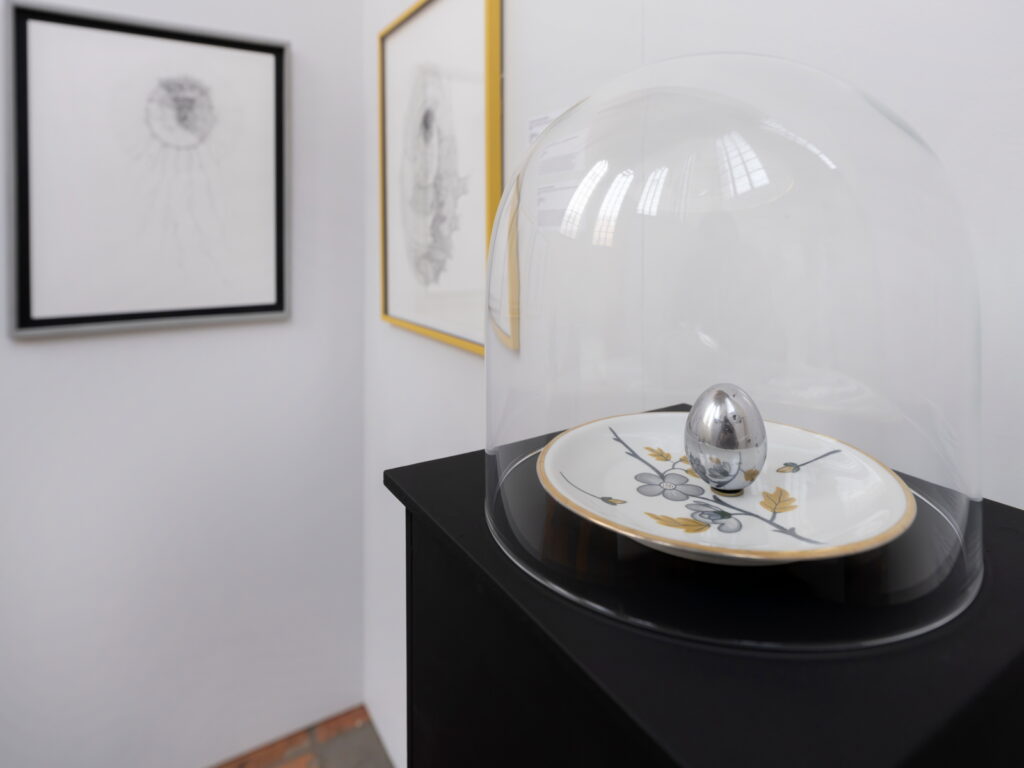
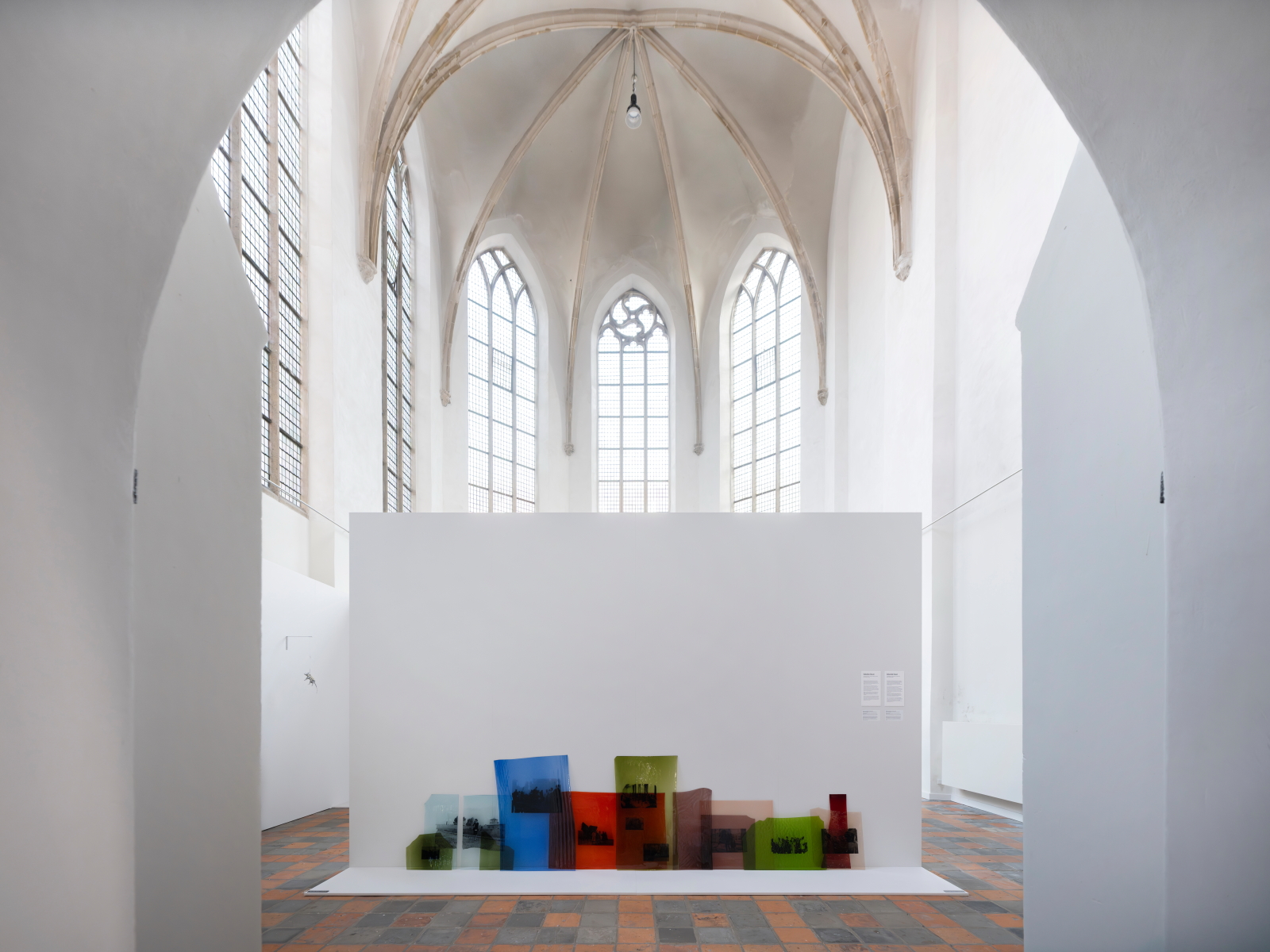
On 9 March, the exhibition Art of Remembrance was presented for the first time in Nijmegen, marking the public launch of a European project bringing together contemporary artists and WWII remembrance sites.
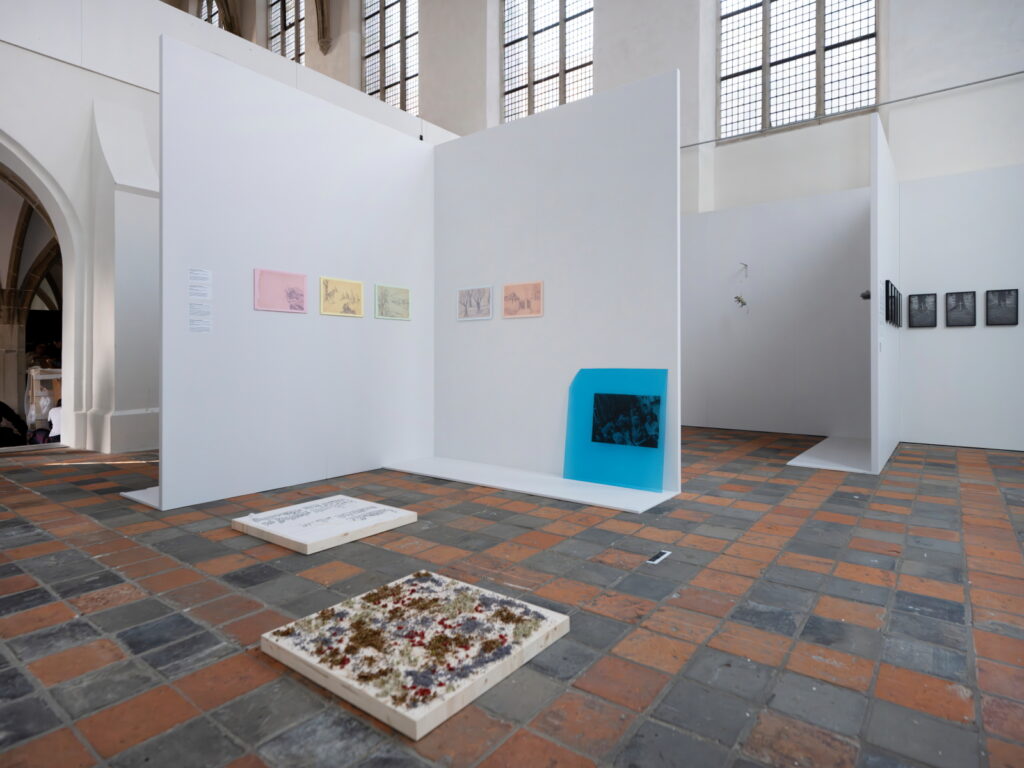
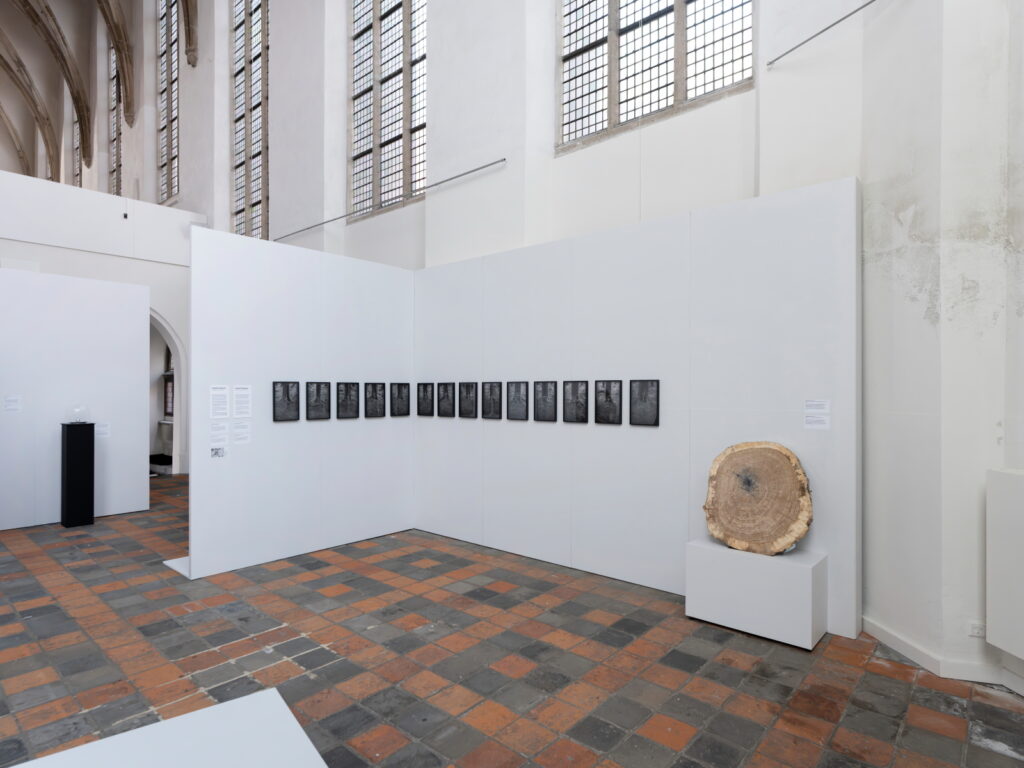
Rather than introducing the project through a formal presentation, the exhibition offered visitors a first encounter with the works themselves. Installed without a chronological narrative or a clearly defined route, the space invited a slower, more exploratory form of engagement, where meaning emerged progressively rather than being immediately explained.
This approach reflects the core premise of the project. As curator Isabelle Benoit explains, “for decades, remembrance has relied heavily on testimony, on the voices of survivors and eyewitnesses. But those voices are inevitably fading. The question is how to continue to transmit the meaning and the emotional weight of this history.”
A different way of engaging with history
The exhibition does not aim to recount the history of the Second World War. Instead, it proposes a different way of approaching it, through works that engage with memory indirectly, using material, sound, and spatial composition.
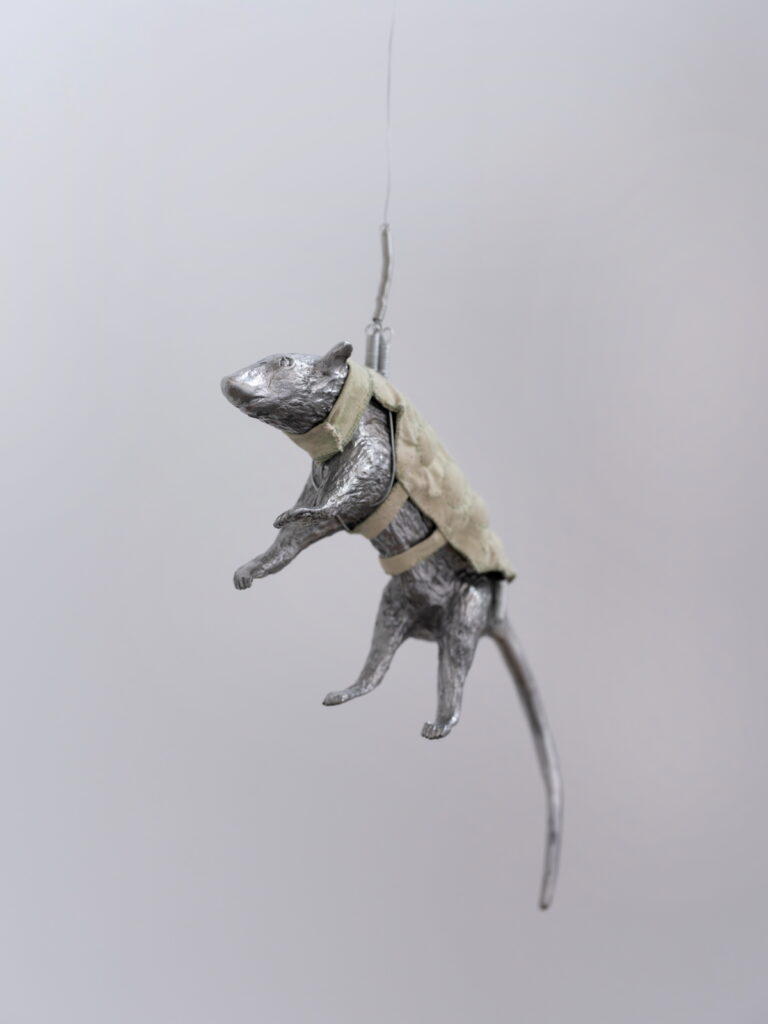
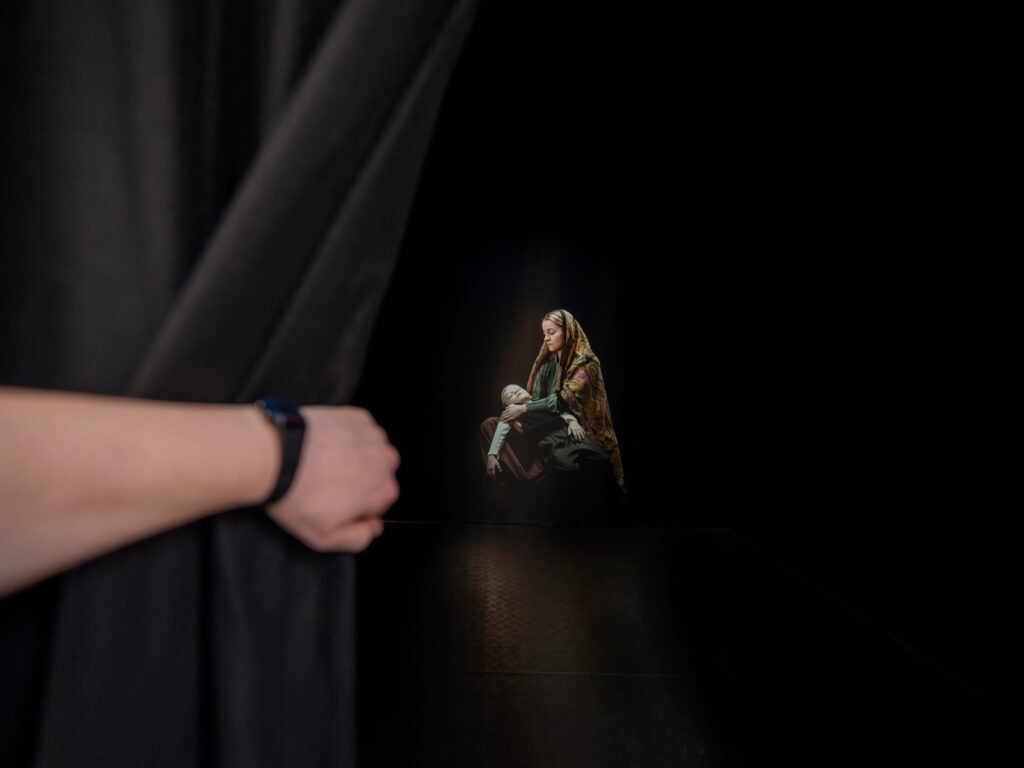
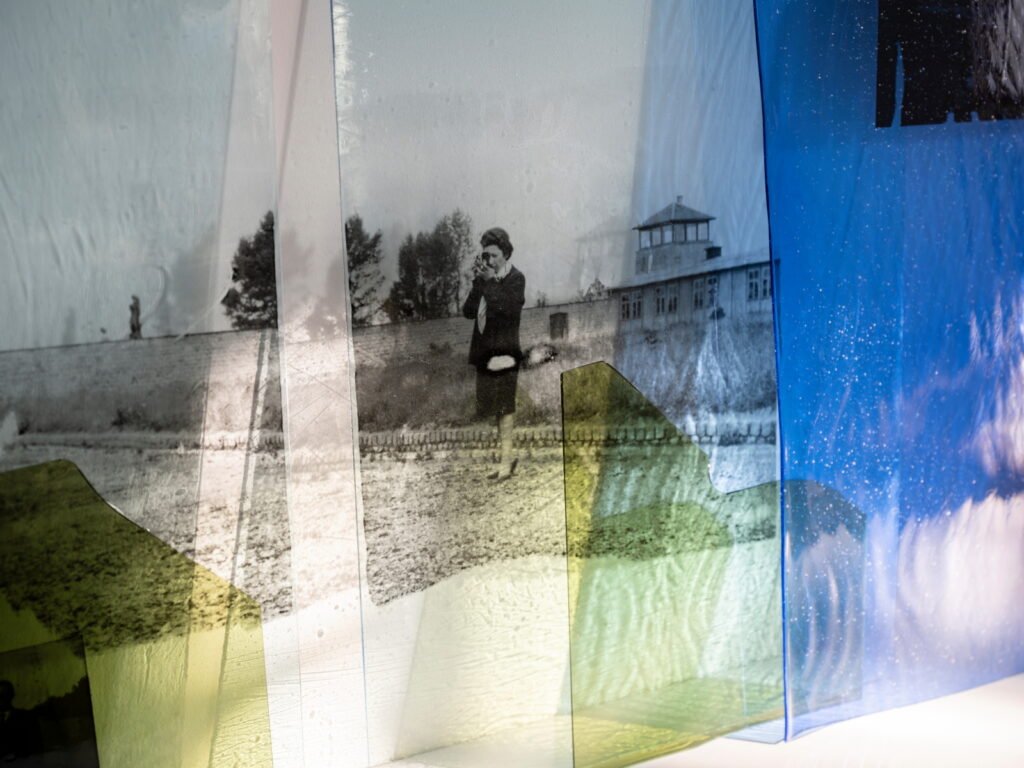
For example, Gail Ritchie’s sculpture, inspired by animals used in scientific experimentation, evokes systems of control and vulnerability without referring to specific events. Juhana Moisander’s installation fills the space with lullabies, drawing attention to care and survival in contexts of displacement. Rebekka Bauer’s work combines drawings, glass, and archival material in layered compositions that require close attention. Raphaël Dallaporta presents objects and documents that highlight both the presence of history and the distance that separates it from the present.
Across these works, the emphasis shifts from explanation to experience. As Benoit notes, contemporary art “asks questions rather than providing answers,” allowing visitors to engage with history in a more open and personal way.
A transnational project
The exhibition brings together works developed through residencies at four remembrance sites: La Coupole in France, the Sybir Memorial Museum in Poland, Paraloup in Italy, and Bastogne in Belgium. Each site represents a different historical context, and the project does not attempt to unify these perspectives into a single narrative. Instead, it creates a framework in which they can coexist and enter into dialogue.
For Rémi Praud, project coordinator, this dimension is essential: “the project is not only about producing artworks or organising an exhibition. It is about creating a process that connects artists, historians, institutions, and communities across Europe.”
From Nijmegen to Europe
The presentation in Nijmegen marks the beginning of a broader journey. The exhibition is designed to travel to several locations across Europe, where it will be reinterpreted in relation to different contexts and audiences.
This mobility is an integral part of the project. As Benoit explains, “each time the exhibition moves, it enters a new context. The artworks are not fixed in their meaning, they evolve.”
Through this approach, Art of Remembrance seeks to contribute to ongoing reflections on how WWII memory can be transmitted in the future, not by replacing existing forms of remembrance, but by complementing them with new perspectives.